
Lakeview Court Docket Searches
Lakeview court records demand one check before any database work. Name the court first. The village offers no searchable court system and no current standalone Mayor's Court schedule online. That gap is not proof the village has no court pathway at all. It simply means a Lakeview citation, summons, notice, or a direct answer from the village must identify the tribunal. Only then can a docket search go anywhere. Follow the document, not the municipality's name.
- Read the Lakeview citation or notice for the court name, case number, agency, and date.
- Use the named court's official record process if the Lakeview document identifies one.
- If the Lakeview paper is unclear, contact village administration and ask which court or custodian holds the record.
- Ask whether the Lakeview matter was transferred and request the destination court and case number.
- For a confirmed county case, use Logan County Records Search with a verified case number or defendant name.
Lakeview Court Confirmation First
Lakeview ranks as the fifth-largest municipal corporation in the 2022 state estimate table. Its estimated population is 1,197. Its verified offices sit at 126 North Main Street, P.O. Box 197, Lakeview, Ohio 43331. Call the village at 937-843-9152. Or try the administrative line at 937-843-2851. Both numbers work for one basic question. Does this matter belong to a local tribunal, a municipal court, or a case transferred elsewhere?
Village staff can point you toward the present holder of the record. They are not automatically the keeper of every court docket. A police record, a village administrative record, and a court record are different things. They can sit with three different offices. When you call, keep it factual. Give the date, the citation or case number, and the agency named on the paper. Then ask where the court record or court date is kept. Lakeview government is the official source for these village-office contacts.
Calling the village is a dependable first move whenever a ticket or notice leaves the court unnamed. One short call can settle where the case actually lives.
Inside the Lakeview Municipal Court
The village publishes no standalone Lakeview Municipal Court portal or schedule. A heading on a website does not conjure a court system into being. For any Lakeview incident or citation, follow the court named on the document itself. Suppose that document points to Bellefontaine Municipal Court. Then Bellefontaine's traffic and criminal channels, along with its record and payment options, are the right route. If the paper names no court, ask Lakeview administration. Ask which court or clerk receives the case.
The missing public portal is a reason to verify. It is not a reason to declare that Mayor's Court no longer exists. An old fund reference may say nothing about today. The same holds for a village practice or the location of a nearby court. None of it shows how Lakeview handles cases now. The document in hand and a current answer from the village control the search path.
Lakeview Court Record Boundaries
Police statistics and court dockets come from different shelves. An official Lakeview newsletter reports aggregate 2021 and 2022 police activity. The figures cover traffic stops, warnings, civil infractions, arrests, misdemeanor citations, criminal complaints, and court hours. Those numbers describe village operations. They are not an arrest list. They are not a court docket or a statement about the current crime rate.
That distinction shapes any records request. A village police or administrative record belongs with the government record custodian. A court docket, hearing date, disposition, or certified copy belongs with the court holding the matter. Name the exact record type you want. That one step prevents misrouting and keeps you from requesting more personal information than the task requires.
Finding Lakeview Court Dates
No official current Lakeview court schedule exists online. A court date must come from the citation, summons, or notice itself, or from the office currently holding the case. An old village reference, a general meeting calendar, or a nearby court's schedule will not give you a valid Lakeview appearance date. When attendance matters, call the court named on the document. Or ask the village to identify that court first.
| Date | Use the Lakeview notice or citation date, then confirm it with the named court or current custodian. |
|---|---|
| Time | No general Lakeview court calendar was confirmed; rely on the individual notice. |
| Location | Use the location printed on the court paper, not the Lakeview village office by assumption. |
| Judge | No current Lakeview presiding official was verified in the reviewed sources. |
| Setting type | Read the Lakeview document for the stated hearing, appearance, or other court event. |
Lakeview Named Court Check
The named court decides everything. A Lakeview citation naming Bellefontaine Municipal Court opens the city court route. The document itself supplies that link. A citation naming a Logan County division points elsewhere. It leads to the county court or clerk that serves it. Is the paper silent? Ask Lakeview administration whether a local tribunal, a municipal court, or a transfer record is involved. Resist picking Bellefontaine just because it is the familiar local courthouse.
For a confirmed county case, eServices offers a public case lookup. County material confirms only two search keys: case number or defendant name. It does not guarantee full Lakeview coverage. Nor does it promise a complete document inventory, or that a municipal ticket will appear there. The county's Current Court Calendar is a different animal from the docket. It is a posted schedule snapshot, not a full case history and not a final result.
Lakeview Traffic Ticket Lookups
Start with the court name printed on your Lakeview traffic ticket. That name controls where the case lives, since Lakeview itself runs no online ticket portal. A citation naming Bellefontaine Municipal Court belongs on that court's official traffic and criminal page. There, the record and payment paths sit together. If a different court is named, that court's process governs instead. Is the ticket hard to read? Call the municipality before trusting any docket search result.
Paying a fine is not the same as checking a docket listing. Both differ from an official court copy. Hold onto the paper ticket. Confirm any deadline directly with the named court. Once the citation settles the venue question, the county-wide Logan County Traffic Court page offers broader routing help. It covers related hearings and records too.
Lakeview Court Jurisdiction Context
Where a case sits depends on the court named. It does not depend on Lakeview's spot on the map. Ohio sets municipal court territory by statute. R.C. 1901.02 is the state source for that framework. A statute can tell you how jurisdiction works in general. It cannot tell you which clerk holds a Lakeview docket, when a hearing is set, or how a particular case is being processed. For those answers, the citation itself or a current answer from the village comes first. General law simply frames the question; the named court supplies the record.
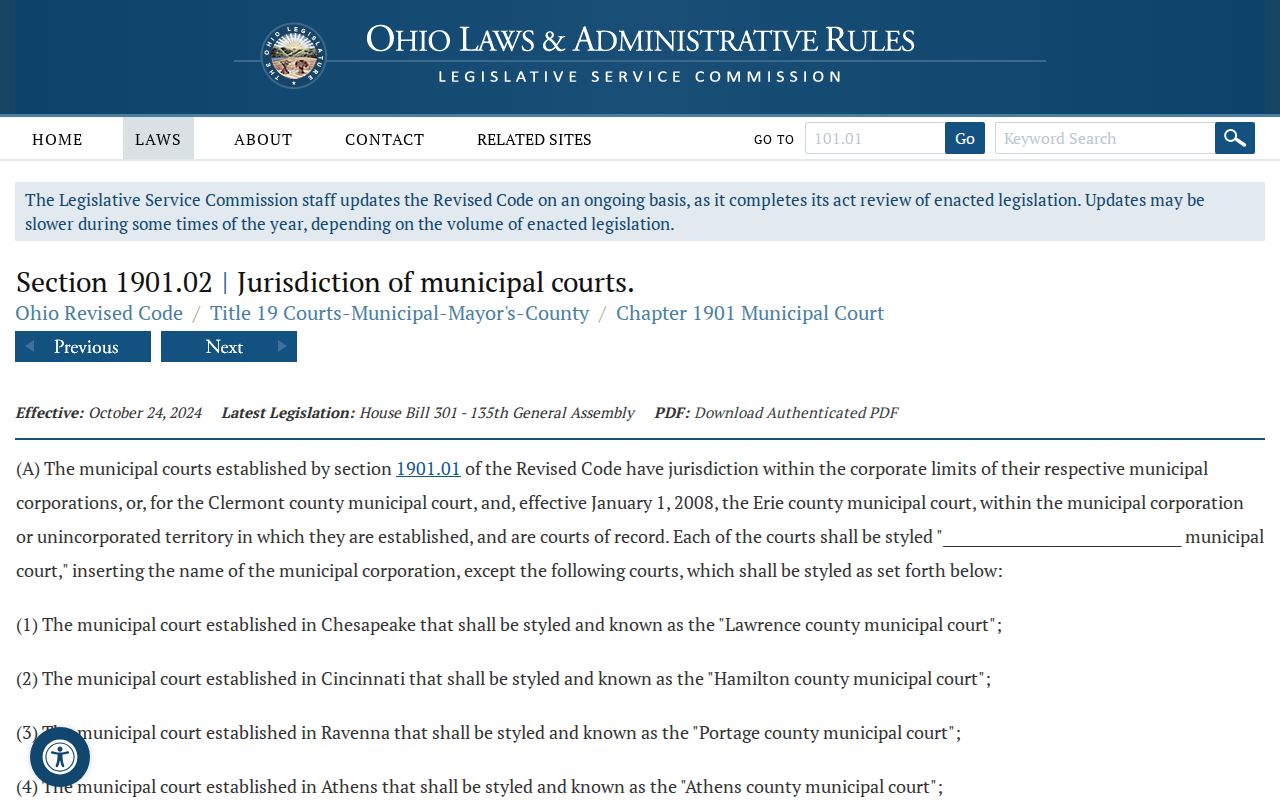
Let evidence drive the search. A named court or a village-confirmed transfer beats any statutory generalization when you are chasing a Lakeview case.
How Lakeview Cases Reach the County
How does a Lakeview matter end up in county court? The document itself usually answers that. The court named on the filing, the case type, or a confirmed transfer points the way. General civil and criminal cases go to Logan County Common Pleas General Division, while Domestic Relations, Juvenile, and Probate matters route through the separate Family Court. An event that simply happened in Lakeview picks no division on its own. For a confirmed family-related matter, Logan County Family Court contact information gives the official division-level contact you need.
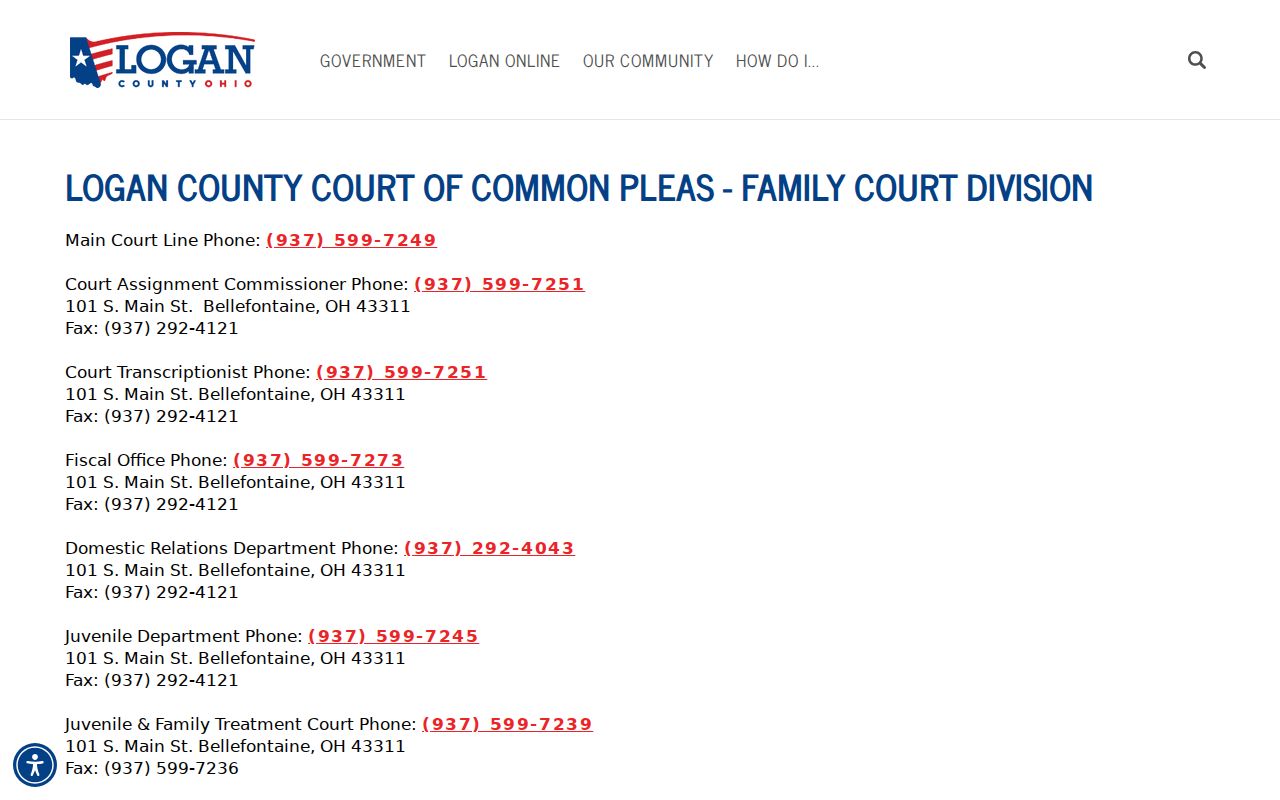
That Family Court directory keeps routing simple. It points a confirmed Domestic Relations, Juvenile, or Probate case to the right division without treating the village office as the keeper of court files.
Docket flow: Lakeview citation or notice › named court or village confirmation › identified county court division or clerk.
Suppose Lakeview administration confirms a transfer. Get the new court and case number in writing. Then run your docket search through that court's official channel, which keeps a Lakeview municipal question distinct from the county court file that may grow out of it.
Who Can See Lakeview Court Records
Who can see a Lakeview court record? The office holding it decides. Ohio Sup.R. 44 defines what counts as court records and case documents. Public access, personal-identifier redaction, and specific restrictions fall under Sup.R. 45. R.C. 149.43 still matters for village and county agency records, though court files answer to the Rules of Superintendence and any court order on top of that.
A missing online result proves nothing. The same gap could mean the wrong court, thin online coverage, a restriction, sealing, expungement, or simply no matching case. Ask the confirmed custodian for the docket, index, or a redacted copy. If something is withheld, request the rule, order, or office behind that access decision.
Key Rules:
Sup.R. 44 defines the court-record terms relevant to an access request.
Sup.R. 45 covers public access, redaction, and restrictions.
R.C. 149.43 is Ohio's public-records statute, alongside court-specific access rules.
Lakeview Record Requests
Name the exact item when you request a Lakeview record. That could be a village administrative record, a police record, a docket, a court date, a disposition, a copy, or a transfer record. Add the Lakeview date, citation or case number, named court, and record type wherever you know them. Village administration can only help identify the current custodian when the court is unclear. Send any court-record request to the confirmed court or clerk itself.
For a confirmed county case, the Logan County Clerk of Courts Legal Department sits at 101 South Main Street, Room 218, Bellefontaine. It lists 937-599-7275. The office sets no published court-wide certified-copy rate, so ask directly. Before paying anything, confirm inspection, copying, certification, and any restriction procedures with the office holding the Lakeview-related file.
Lakeview Court Source Notes
Keep a clean source trail for every Lakeview answer. Note where each fact came from and when the municipal contact occurred. An old village newsletter, fund reference, or page can add historical color. But yesterday's paperwork rarely names today's clerk, calendar, or custodian. Save the citation or notice itself. Write down the named court and any transfer details you were given. Those notes make later verification quick, and they keep historic material from masquerading as current court proof.
For an official path, lean on three things. Take the current document, a current village confirmation, and the receiving court's own public channel. That short trail beats any blanket claim that every Lakeview case lands in one court.
Lakeview Court Confirmation Record
Got a Lakeview citation or notice with no court named on it? Build a short confirmation record first. Jot down the citation or case number. Add the issue date, the law-enforcement or village agency involved, which Lakeview office you contacted, and when it replied. Then ask the key question: is this matter local, does a municipal court hold it, or was it transferred? If a court is identified, capture its full name, the case number, and how to reach it. Those few facts give you a dependable path for a Lakeview docket search.
That record also keeps a real court date from getting confused with other Lakeview material. A village meeting schedule, a public-safety newsletter, or a stale administrative note is not an individual court notice. A county calendar PDF helps only once a Lakeview matter is tied to the right county division. Even then, it is just a schedule snapshot, not a complete docket and not proof of any final outcome.
Once Lakeview administration names a receiving court, carry the court paper and your confirmation notes to that court's official site or clerk. Keep the public record request as narrow as you can. Ask for the accessible docket, index, date, disposition, or copy. Let the clerk apply any redaction or restriction rules. Village contacts can also tell you where a request truly belongs. A traffic-stop report, a warning, or a local administrative item may route differently than the docket that follows a citation. So give staff the record description, the agency name, and the court listed on the paper.
Two final cautions. For any Lakeview historical source, keep the issuer and the date. Remember that a former village reference may explain context. It cannot establish a present tribunal, schedule, or public file. Reconfirm the current path whenever you plan to use it. That applies to finding a court date, pulling a record, or identifying the office that maintains the matter. A quick phone call to Lakeview offices works well before any time-sensitive search. Asking first for the court name and case number turns an uncertain village reference into a record path you can verify with the proper clerk.